Classical dressage vs. classical-baroque riding art: what distinguishes the paths?

At a glance
- Classical dressage to the FN scale and classical-baroque riding art share a common historical root — the Vienna Court Riding School and its predecessors — but today take different paths in training goal, choice of figures and connection to competition.
- Classical dressage (FN) aims at a competition standard and follows a codified building order across the six stages of the scale to Grand Prix. Classical-baroque riding art often has no competition connection and works more on traditional high-school figures like piaffe and shoulder-in as ends in themselves.
- At Eichhof Akademie we work consistently classical to the FN training scale — with the aim of competition suitability, but with the content claim of classical riding theory that underlies all good sport dressage anyway.
The terms ‘classical dressage’ and ‘classical-baroque riding art’ are often mixed in German-speaking riding circles — sometimes deliberately, to draw marketing advantage from the resonant word ‘classical’. In fact they describe two related but different paths of horse training. Anyone who knows the differences chooses more consciously what fits themselves and the horse.
In this article we explain the roots of both paths, their current differences in methodology and training goal, and who is suited to which path. We write from the perspective of a sport riding facility that works consistently classical to the FN training scale — but knows and respects the value of the classical-baroque tradition.
Common root — separated paths
Both paths share a common historical root: the academic riding art of the Renaissance and the Baroque, codified by riding masters like Federico Grisone (16th century), Antoine de Pluvinel (late 16th/early 17th century, academy founded 1594) and François Robichon de La Guérinière (early 18th century). La Guérinière’s “École de Cavalerie” of 1733 is considered the foundational text of all European riding theory and is still required reading at the Spanish Riding School in Vienna today.
In the 19th and 20th centuries this common tradition split into two directions:
Line 1 — the Prussian-German school. Gustav Steinbrecht (1808-1885), author of “Gymnasium of the Horse”, formalised classical riding theory for military and civilian sport. From this line emerged in the 20th century the FN training scale and today’s competition dressage through Grand Prix.
Line 2 — the southern German-Austrian-Iberian school. The Spanish Riding School in Vienna (founded 1572) cultivated the tradition of the high school with its showpiece figures — levade, courbette, capriole. Outside competition sport, riding masters like Nuno Oliveira (Portugal, 1925-1989) and in German-speaking countries the prominent Danish riding master Bent Branderup (School for Academic Riding Art) kept the classical-academic riding art alive. From this line today’s classical-baroque riding art feeds.
Both lines share the fundamental principles — slow building work, respect for the horse, collection as crown of training. In methodology, choice of figures and competition connection they take different paths today.
Classical FN dressage — the method in practice
Classical dressage to the FN training scale follows a clear logic:
- Six stages building on one another — rhythm, suppleness, contact, impulsion, straightness, collection
- Training goal: competition suitability — the methodology leads directly to competition sport through Grand Prix
- Codified figure sequence — from Introductory (E) (riding badges) through Novice (A) (simple turns on the forehand) to Advanced (S) (pirouettes, flying changes, piaffe-passage)
- Clear assessment criteria — every figure is judged by scale criteria
- School, trainer licence, examination system — FN trainer licences (Trainer C, B, A) build on a clear curriculum
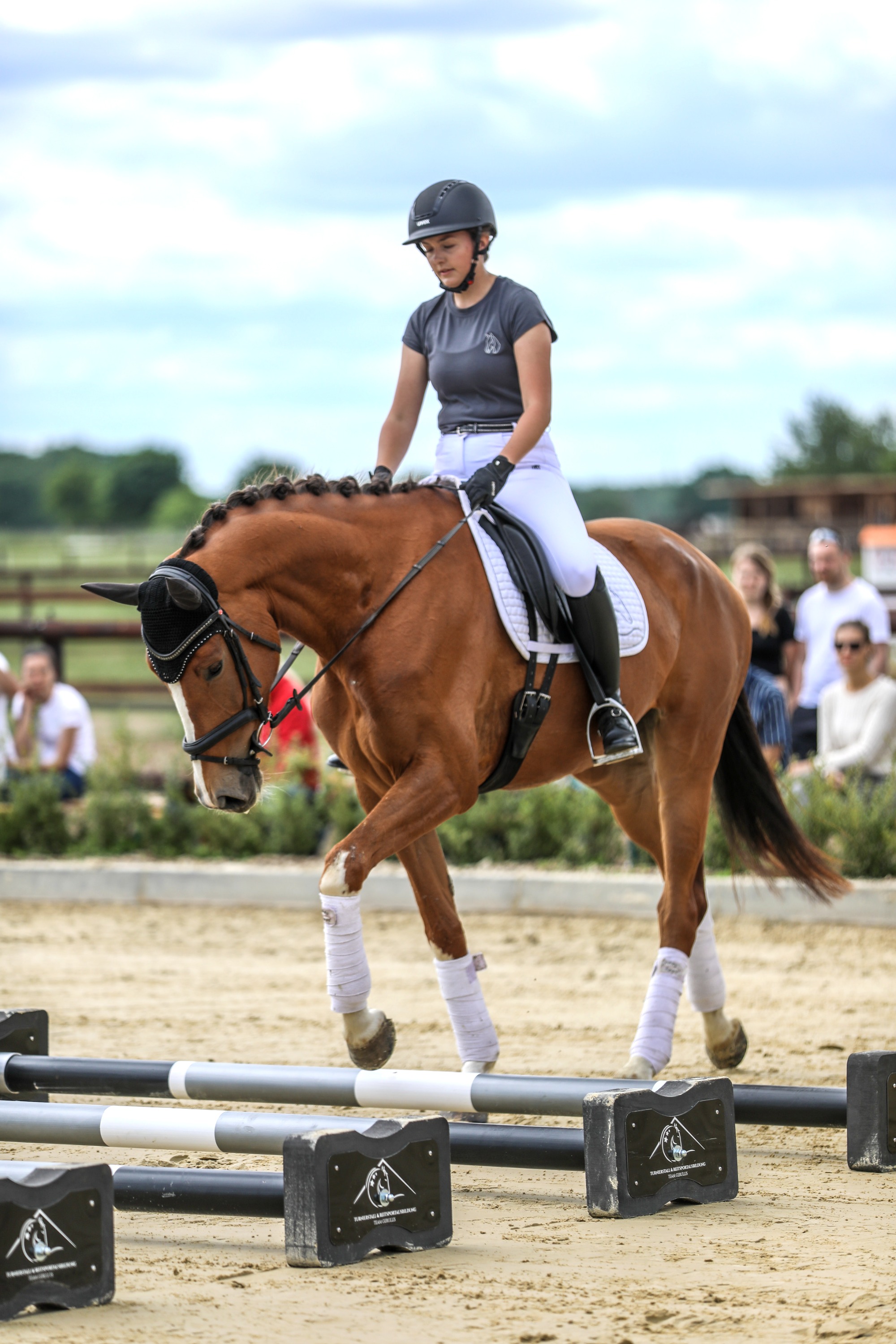
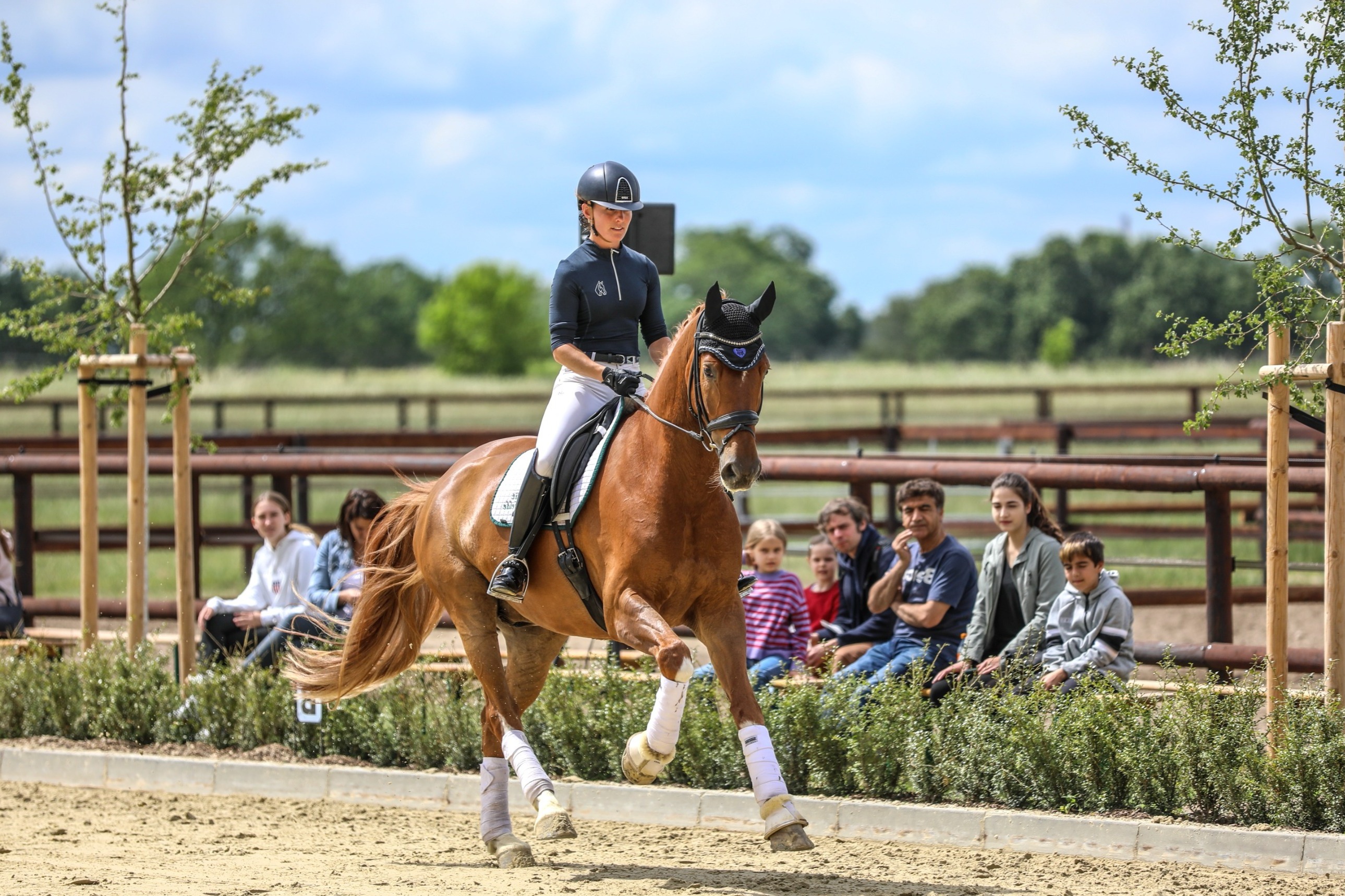
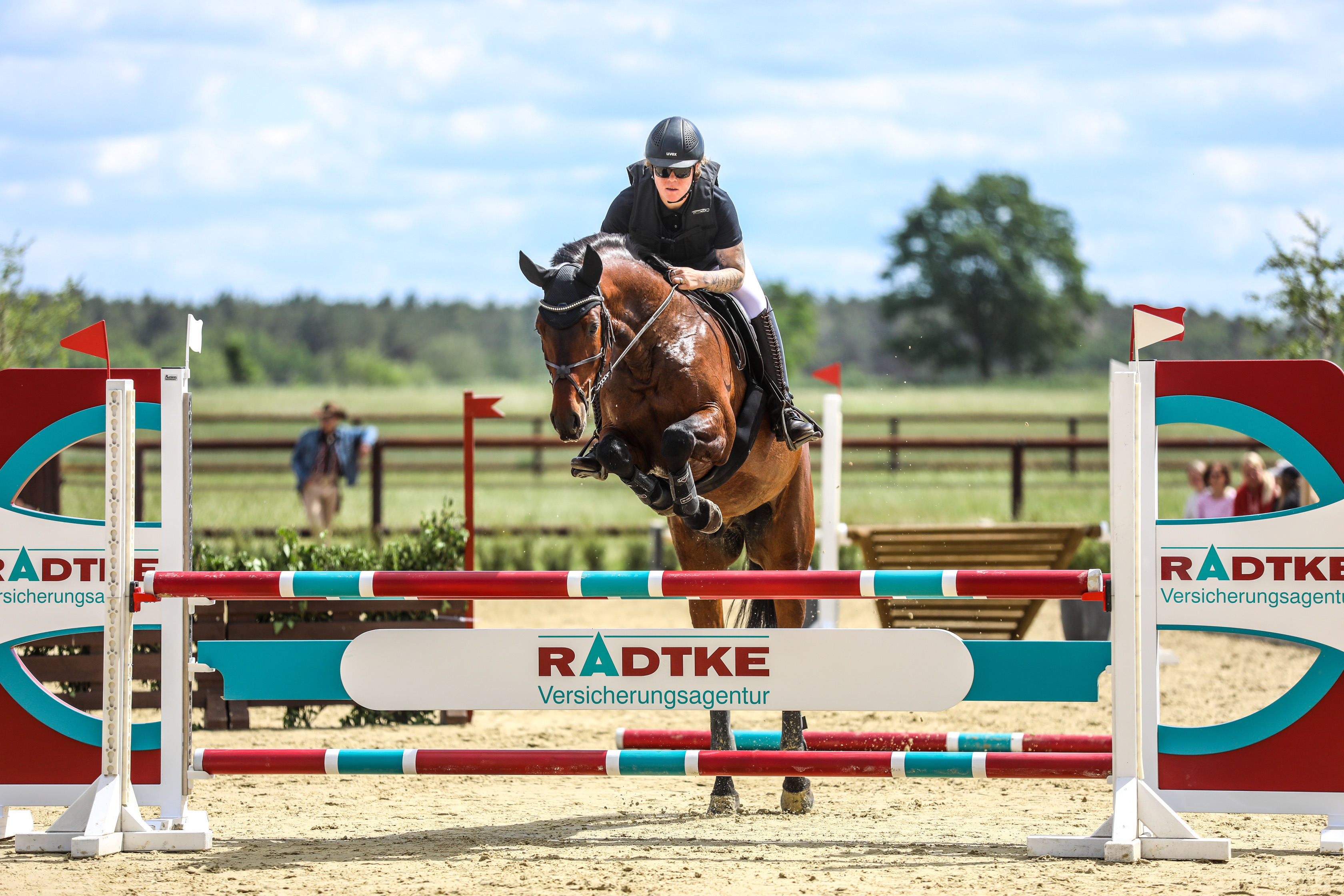
In practice this means: a classically trained horse can present its tasks in the respective class faultlessly. It goes clearly, rhythmically, with honest contact, impulsion, straight, and ready to collect. High-school figures like Spanish walk or levade are not part of the repertoire — they would neither be ridden nor rewarded in a competition test.
Classical-baroque riding art — the method in practice
Classical-baroque riding art follows a different logic:
- High school as training goal — the path leads toward levade, courbette, Spanish walk, capriole
- No competition connection — this school lives in performances (Spanish Riding School, Classical Riding Art Festivals), not in competition sport
- Stronger emphasis on collection work — piaffe and collection are partly trained earlier and more extensively
- Often with Iberian horses — Lusitano, Andalusian, Lipizzaner have collection aptitudes that make this work easier
- Longer building phases, fewer figures per session
In practice this means: a classical-baroque trained horse can do high-school figures but rarely has competition suitability in the FN sense. Training often runs more slowly, with more focus on collection and high school.
Where the paths overlap
Despite all differences, there is a very large area of overlap. Both paths:
- Work to the training scale (even when classical-baroque riding art rarely names it so)
- See collection as a central training goal
- Build slowly and systematically, without pressure
- Respect the horse and its biomechanical limits
- Train shoulder-in, travers, pirouettes and other classical figures
A good classical FN trainer and a good classical-baroque trainer would agree on 80 percent of methodology. The differences lie in the remaining 20 percent — above all in the training goal and the figure choice beyond the foundations.
Risk of confusion: ‘classical’ in marketing
Many riding teachers and yards call themselves ‘classical’ today, without it being clear what is meant. This has a marketing background — ‘classical’ sounds like tradition, quality, respect for the horse. The terminological confusion is therefore part of reality.
If you want to check a riding facility or trainer, ask concretely:
- Do you work to the FN training scale?
- Do you train to competition classes (E, A, L, M, S)?
- Which trainer licences or qualifications do you have?
- Do you also train high-school figures like levade or Spanish walk?
The answers to these questions clarify the profile quickly.
What we do at Eichhof Akademie
We work consistently classical to the FN training scale. Our aim is competition suitability through Advanced (S) level — both for our own sale horses and for riders and professional schooling of our boarders. Our trainer team around Head Dressage Trainer Kim Jesse (dressage training through Grand Prix, Westphalian Dressage Champion) and Master Equine Manager Pia Anina Gerullis (Classical Riding Training, with stations in Berlin, Warendorf and internationally) carries this methodology in daily lessons and in clinics with Karin Lührs and Christoph Hess.
High-school figures like Spanish walk, levade or capriole are not part of our programme. This is not a rejection of classical-baroque riding art but a deliberate focus on what we do well — and on what our Hanoverians, as typical dressage warmbloods, perform best.
Anyone seeking classical-baroque riding art is better off with specialised riding teachers of this school. Anyone seeking classical FN dressage with the claim of competition suitability is in the right place with us.
What you should take from this article
Three thoughts:
First: Both paths have their justification. The question is not ‘which path is better’ but ‘which fits me and my horse’.
Second: Clarity about the terms protects from marketing confusion. Anyone who says ‘classical’ should specify what is meant.
Third: The really important question is not ‘classical-baroque vs. FN’ but ‘good trainer vs. bad trainer’. Both schools produce magnificent riding horses — and both have black sheep that harm the horse.
If you are considering whether Eichhof Akademie fits you, arrange a visit or visit one of our clinics as a spectator. You will see our profile quickly — and can decide whether it fits your riding path.
Comparison of the two paths at a glance
| Aspect | Classical FN dressage | Classical-baroque riding art |
|---|---|---|
| Historical root | Steinbrecht, German school | La Guérinière, Vienna, Iberia |
| Training goal | Competition sport through Grand Prix | High school, performances |
| Training scale | Explicit foundation | Implicit |
| Figure choice | Competition repertoire through S | Plus high-school figures |
| Competition connection | Yes, directly | Rarely or none |
| Typical horse breed | Warmbloods (Hanoverian etc.) | Iberian breeds, warmbloods possible |
| Trainer licence | FN system | Various schools |
| Eichhof Akademie profile | ✓ Main approach | Not in programme |
Further reading
- FN — Training scale (official page, in German) — the codified foundation of classical FN dressage
- FN — Trainer training classical-baroque riding (in German) — official FN recognition of the classical-baroque school
- Federal Association for Classical-Baroque Riding (BfkbR, in German) — FN-affiliated association and provider of the specialised trainer education
- Spanish Riding School Vienna — the historical root of the high school, UNESCO heritage
- FN-Verlag — Guidelines Volumes 1 & 2 (in German) — standard work of German riding theory after Steinbrecht
Written by Franziska Gutsche, owner of Eichhof Akademie and regional representative of the Gesellschaft für Xenophon — Classical Riding Art and Horse Training association.
Questions & Answers