Young horse, young rider? Why experience matters when buying a horse

At a glance
- An inexperienced rider needs an experienced horse that gives security, forgives small mistakes and is already soundly trained.
- When a horse with little training meets an inexperienced rider, neither has the orientation they need. Misunderstandings, insecurity and frustration are then almost inevitable.
- What counts is not the horse's biological age but its training, character, health and experience. Parents should rate training level and character higher than pedigree and movement potential.
Many parents have a lovely dream: the child gets a young, talented horse, and the two grow together, learn together and develop side by side in the sport. We understand this wish well. And yet in most cases we advise against it.
Because what is often underestimated is this: training a young horse is demanding. It requires exactly the skills a young rider is only just learning.
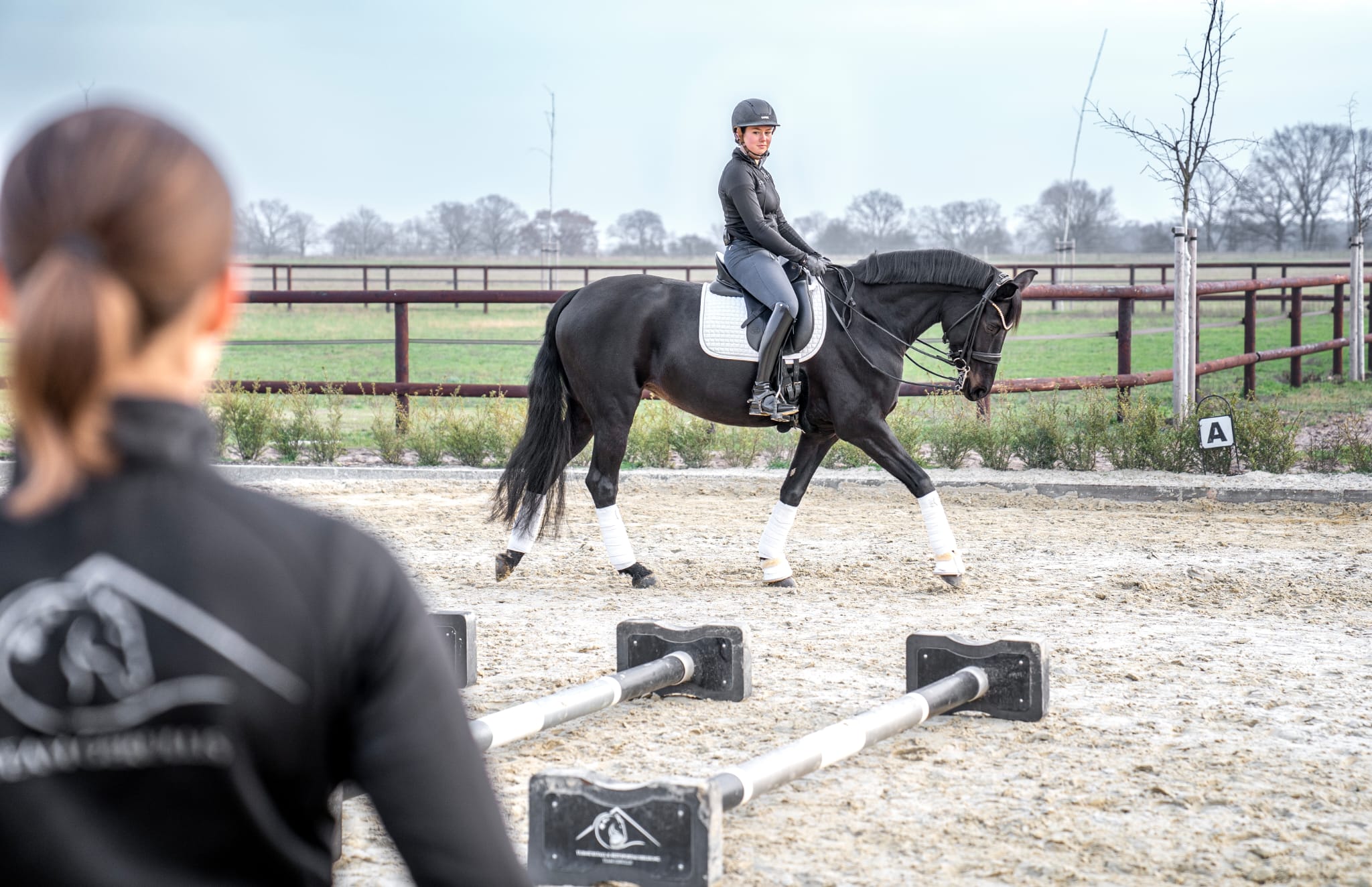
Our conviction at Eichhof Akademie is therefore clear: an inexperienced rider needs an experienced horse. One that gives security, forgives mistakes and is already soundly trained. In this article we explain why, and what to look for when searching for your child’s first horse.
Why young horses are not ideal teachers
A child learning to ride first has to understand a great deal: sitting correctly and in balance, giving aids precisely and at the right moment, riding a horse in balance and an even rhythm. That takes years, and it takes a partner who is patient.
A young horse, in turn, needs exactly these skills from its rider. It is only just learning to balance under the rider’s weight, to understand the aids and to develop trust in the rider’s hand. For that it needs someone who gives it orientation through a calm seat and clear, consistent signals.
When two inexperienced partners meet, each looks to the other for support, and neither can give it. Unfortunately we see the consequences again and again:
- Misunderstandings. The child unintentionally gives contradictory signals, and the young horse reacts insecurely or not at all.
- Insecurity. A young horse spooks more easily, swerves or rushes. A child who then tenses up makes the insecurity even worse.
- Frustration on both sides. The child loses the joy of riding, and the horse learns things that later have to be laboriously corrected.
In the worst case the child loses their self-confidence, and the young horse then needs corrective schooling. Both can be avoided with the right choice of horse.
What a good children’s and junior horse should bring
A good schoolmaster is a real treasure. It does not have to be spectacular, but it should bring many qualities that only come with training and experience:
- Sound training. It knows the aids, responds reliably and can be ridden even with aids that are not yet perfect.
- Composure. It stays calm when the rider loses balance, uses the leg once too often or holds on to the reins.
- Routine. It knows unfamiliar arenas, shows, loading and hacking, and so brings calm to new situations.
- A friendly character. It is pleasant to handle on the ground and easy to groom, tack up and lead.
- Suitable size and temperament. The horse should suit the child, not just the parents’ ambitions.
- Adequate health. For the intended use, checked by a pre-purchase examination.
A horse like this lets the child make mistakes without punishing them straight away. The child can then concentrate on their own development as a rider and collect many positive experiences.
Age matters less than training and experience
A common misconception when buying a horse for a child: an older horse is “worn out” or has no future left. Yet biological age is far less decisive than training, character, health and experience.
A healthy, well-kept and sensibly trained horse can be an excellent partner for many more years. For a child in particular, a horse with years of routine is often the greatest gift, because it brings so much knowledge that no young horse can have.
Of course, an honest assessment is part of it: What is the horse’s state of health? What workload can it still handle well? How is it kept and cared for? A thorough veterinary examination before purchase is particularly important with an older horse.
An experienced horse can be valuable in sport too
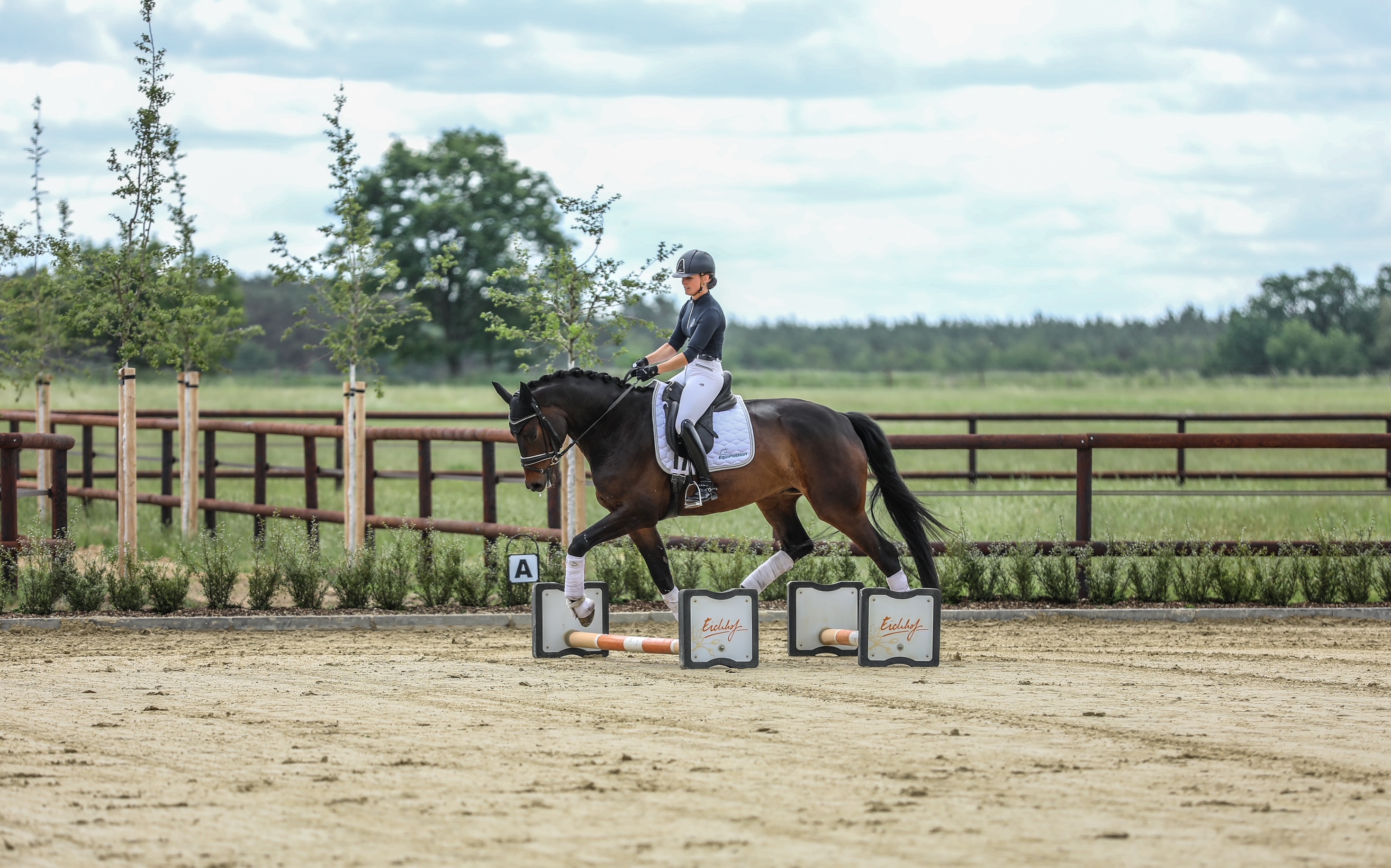
Buying an experienced horse in no way means giving up sporting goals. On the contrary: a horse that knows its job allows the young rider to concentrate fully on their own riding, and that pays off at shows too.
A particularly lovely example from our yard is the mare Römchen. At twenty, she gave a young rider a successful start after moving up from ponies to horses. Together the two even won the state championship title in the Children category. Römchen gave her rider not only wins but above all security, self-confidence and the experience of what good riding feels like.
That is exactly the value of an experienced schoolmaster: it shows the child how it is done properly. The young rider takes this experience into every horse that follows.
Buying a horse for a child: what parents should really rate
When buying a horse, pedigree, movement potential and age are often heavily weighted, because they are visible and easy to compare. For a children’s or junior horse we recommend a different order:
| Criterion | Importance in a children’s horse |
|---|---|
| Character | Very high: composure, friendliness, tolerance of mistakes |
| Training level | Very high: reliable response to the aids |
| Experience and routine | High: shows, unfamiliar surroundings, hacking |
| Health | High: suitable for the intended use |
| Suitable size | High: child and horse must suit each other |
| Pedigree | Low |
| Movement potential | Low |
| Age | Secondary, as long as health and load-bearing capacity are right |
In practice this means:
- Buy for today’s ability, not for the ability in three years.
- Let your child try the horse several times, ideally together with their riding instructor or trainer.
- Watch the horse in everyday life: grooming, tacking up, leading, in the paddock.
- Ask about its history: Who has ridden the horse so far, what has it experienced, how has it been kept?
You will find further points to check in our horse-buying checklist.
The right choice of horse fosters joy and success
A child who feels safe on their horse rides with joy. They dare to do more, learn faster and experience successes that motivate them. This self-confidence is the best foundation for long-term development as a rider and in the sport.
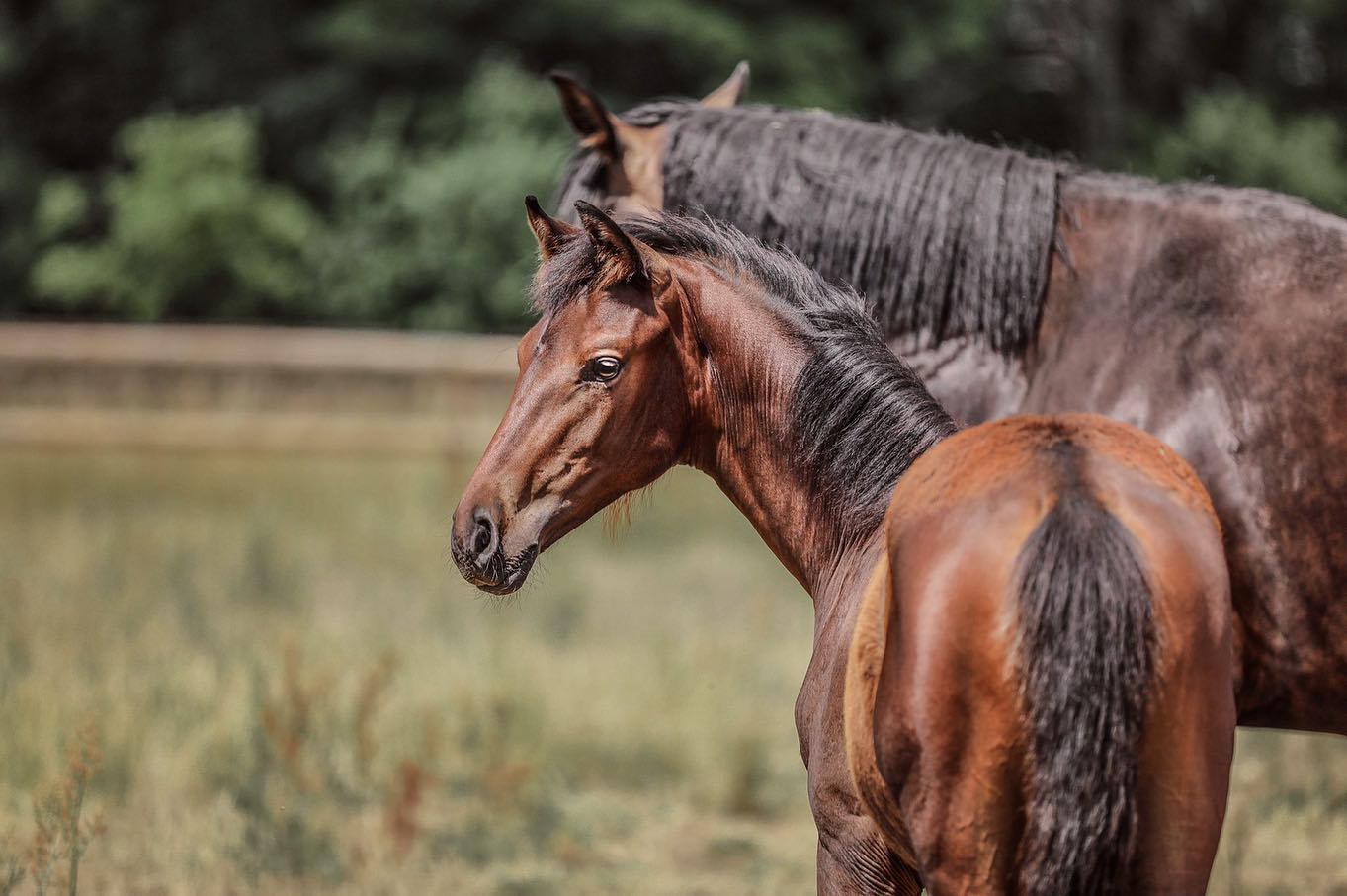
Once the child has gained enough experience later on, a young horse can be a wonderful next step. Then the rider brings the security a young horse needs. Read more in our article Buying a young dressage horse.
At Eichhof Akademie we are happy to accompany families on the way to their first horse, with honest advice on buying, riding lessons for our boarders and an eye for which horse suits which child. Get in touch — we take time for your questions.
Conclusion
The best horse for a child is not the one with the greatest future potential, but the one that gives them the best conditions today to become a good rider.
Further reading
- What to look for when buying a horse: checklist for a dressage horse — the key points to check before buying
- Pre-purchase examination for a dressage horse — what a vetting checks
- Buying a young dressage horse: why riding experience matters more than talent — when the next step comes
Questions & Answers